Shoe storage for a small entryway
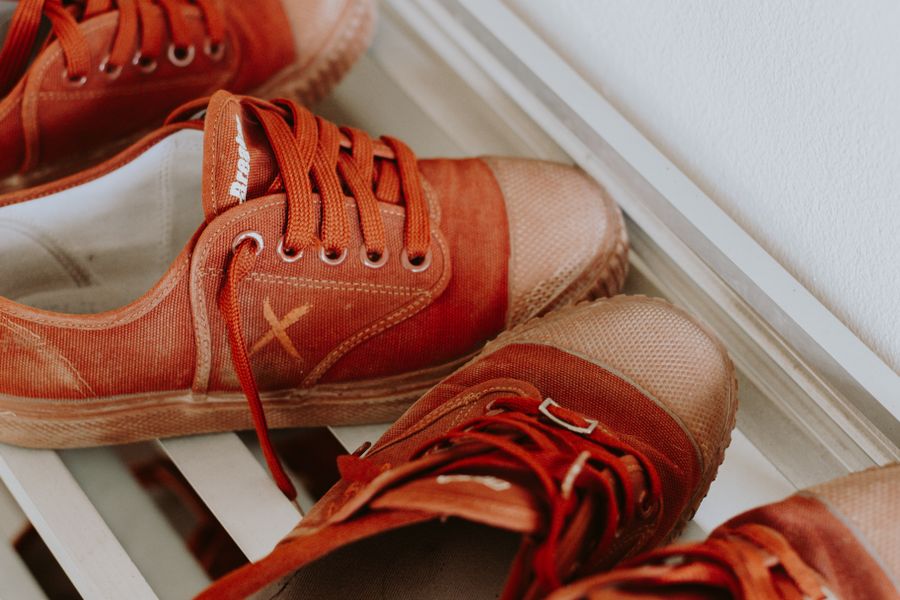
In a small entryway, store only the shoes in current rotation: two pairs per person, on a slim rack or grid shelf by the door. Everything else lives with the wardrobe in labelled boxes. The floor stays walkable because the hallway holds this week's shoes, not the whole collection.
At a glance
| Product | Best for | Price | Warranty |
|---|---|---|---|
| Grid Wall Panel Towers (2-Pack) | Two wall grids, endless arrangements | € 99.95 | 2 years |
| Foldable Storage Box with Handle | Grab-handle box, folds flat after | € 14.95 | 2 years |
The two-pairs rule
Entryway shoe chaos is a population problem: the hallway hosts every pair anyone owns, when it only needs the pairs in active duty. The fix is a hard cap: two current pairs per person by the door, and the rest lives with the wardrobe. The cap does the organising for you. Once the number is fixed, the storage can be small and stay small: a slim rack, a bench with a shelf, one row per person. Any system without a cap grows until the hallway loses.
Go vertical, keep the floor
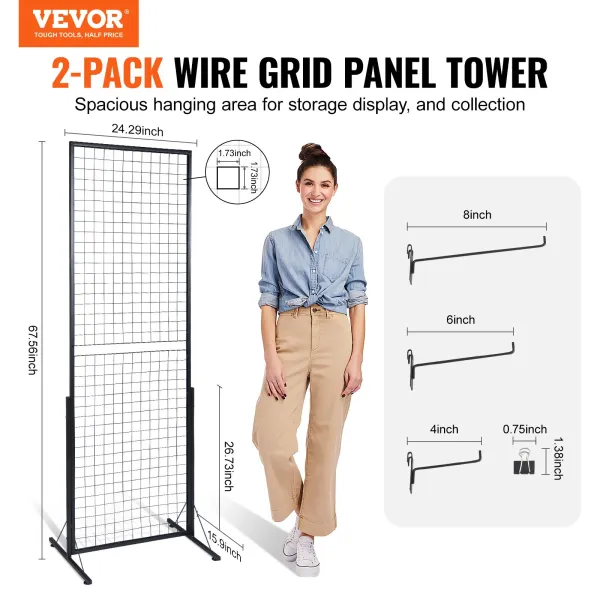
Floor space is what a small entryway is shortest on, so store shoes upward. A leaning grid tower with clip-in shelves turns a slice of wall into a shoe column plus hooks for the daily bag, without drilling into the hallway wall, which in many rentals is the first wall the landlord sees. The Grid Wall Panel Towers earn their hallway spot because they solve shoes, bags and keys with one footprint. Set shelf heights to the shoes you actually keep there: boots need more clearance than trainers.
The overflow box
Seasons rotate and so do shoes. A fold-flat box at the bottom of the rack, or on top of it, catches the rotation: sandals boxed in winter, winter boots boxed in summer, both back with the wardrobe when the box fills. The Foldable Storage Box with Handle carries a season's swap in one trip and folds flat between rotations. The box also gives visiting shoes somewhere official to wait, which spares guests the pile and you the tripping hazard.
Wet days
Rain rewrites the rules: wet shoes should not go into a closed rack or box, they need airflow to dry. Give them one designated drying spot near the door on a washable mat, and return them to the rack once dry. Drying is a transit state, not a parking permit. The pair that dried three days ago is just clutter with a good story, so the drying spot holds today's wet shoes and nothing else.
The weekly thirty-second reset
Small entryways stay tidy on a tiny loop: on the way out with the recycling, return stray shoes to their owners, drop the dried pairs back on the rack and check that the overflow box is not quietly becoming a second wardrobe. Thirty seconds a week keeps the front door a door. The alternative, the slow creep of one more pair, always ends the same way: with the hallway as a shoe shop and the actual storage standing half-empty.
FAQ
How many shoes should be by the front door?
Two current pairs per person, on a rack sized to exactly that number. The rest lives with the wardrobe, with a fold-flat box handling the seasonal swap. A fixed cap is what keeps a small entryway permanently walkable.
How do I store shoes in a hallway with no closet?
Vertically: a leaning grid tower or a slim standing rack turns a strip of wall into shoe storage without drilling. Keep the floor for a doormat and a drying spot, not for the collection.
Where should wet shoes dry?
On a designated washable mat near the door, with airflow, never inside a closed box or rack. Once dry, they go back to their spot on the rack and the mat stays free for the next rainy day.