How Much Living Space Do Europeans Have? Eurostat's Latest Housing Figures, Read for Small Homes
13 July 2026 · Data
Eurostat counts 1.7 rooms per person in the EU, a near even split between houses and flats, and one in six people in an overcrowded home. What the 2024 figures mean for small-space living.
The headline: 1.7 rooms per person
Eurostat's Housing in Europe publication puts the EU average at 1.7 rooms per person in 2024. Behind the average sits a wide spread: Malta tops the table at 2.2 rooms per person, with Belgium, Luxembourg and the Netherlands close behind at 2.1, while Slovakia and Romania sit at 1.1. The same 2024 data shows the EU almost evenly divided by dwelling type, with 51% of people living in a house and 48% in a flat. Averages hide a lot of texture, but the direction is clear: for a very large share of Europeans, home is a compact space where rooms do double duty.
City life is flat life
Where you live shapes what you live in. In EU cities, 73% of people live in a flat and 27% in a house; in rural areas the picture flips, with 83% living in houses. Flats rarely come with the storage margins houses enjoy, such as attics, garages or basements, so the flat-dwelling majority in cities stores everything inside the dwelling itself. That is the quiet context behind the growing attention to in-home organization: for most city households, the cupboard, the hallway and the space under the bed are the attic now.
One in six lives in an overcrowded home
Eurostat reported in December 2025 that 16.9% of the EU population lived in an overcrowded household in 2024, meaning the home has fewer rooms than Eurostat's definition says the household needs. That is an improvement, down from 18.1% a decade earlier, but the spread is stark: Romania (40.7%), Latvia (39.3%) and Bulgaria (33.8%) record the highest rates, while Cyprus (2.4%), Malta (4.4%) and the Netherlands (4.6%) record the lowest. In an overcrowded home, storage is not an aesthetic project; it is how a bedroom stays usable as a bedroom. Vertical pieces that stack toward the ceiling and a second hanging rod extract capacity from floor space that cannot grow.
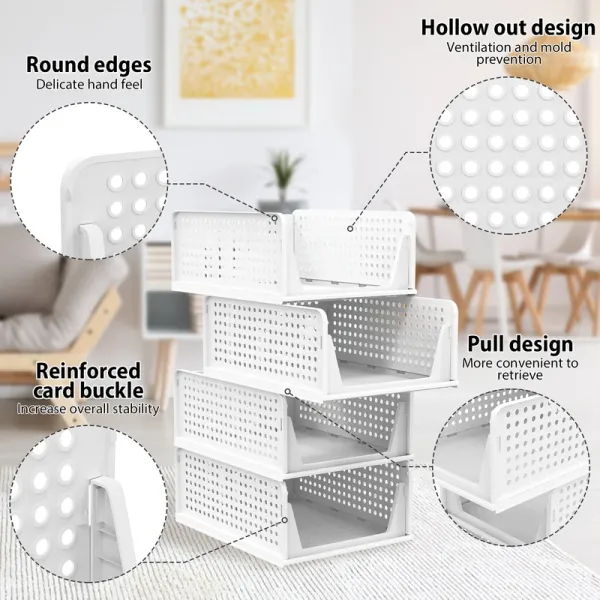
Stackable Storage Drawers (4-Pack)
Four drawers, stack them anywhere
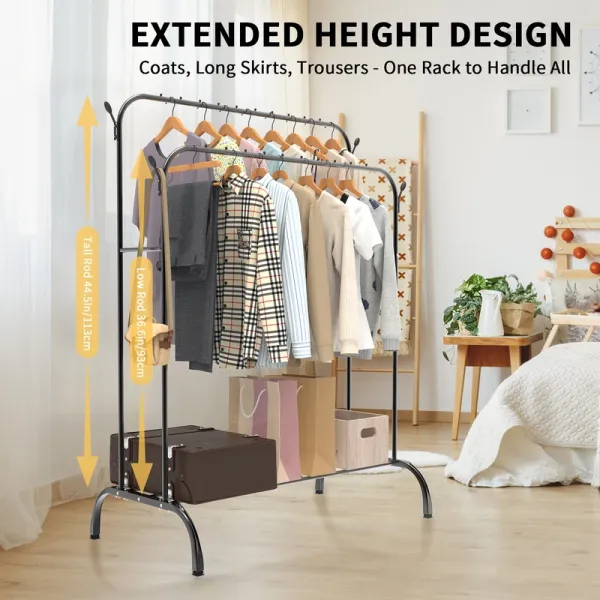
Double-Rod Closet Rack & Coat Hanger
Double your hanging space
A third of Europeans rent
Tenure decides how you are allowed to solve storage. In 2024, 68% of the EU population owned their home and 32% rented; in Germany tenants are the majority, at 53%. Renters carry a constraint owners tend to forget: every hole in the wall is a deposit question. That pushes rented homes toward freestanding and leaning storage, pieces that assemble without tools, stand on their own feet and move out intact. The storage market rarely frames it this way, but roughly a third of the EU effectively shops in the no-drill category.
Foldable Storage Cabinet (No Tools)
A cabinet that assembles in minutes
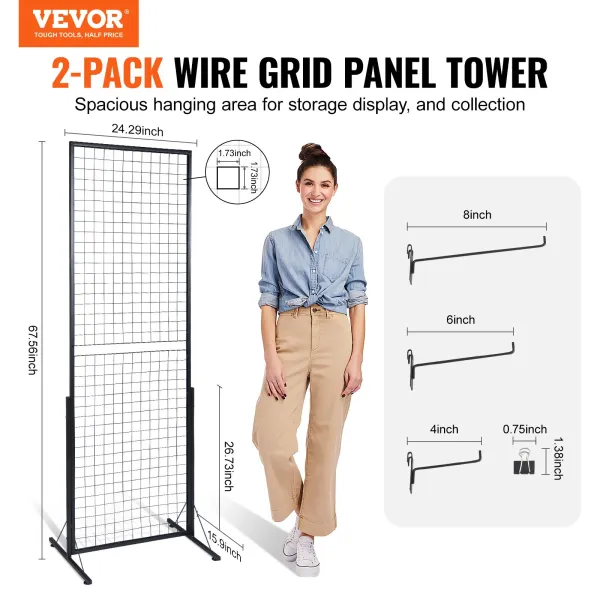
Grid Wall Panel Towers (2-Pack)
Two wall grids, endless arrangements
Reading the numbers at home
One more Eurostat figure completes the picture: 33% of Europeans live in under-occupied homes with rooms to spare, while nearly 17% live in overcrowded ones. Space in Europe is unevenly distributed, and no storage product changes that. What organization does change is how much of the space you have actually works. The practical reading of the 2024 data: measure the dead zones, under the bed, above the rod, behind the door, before concluding the home is full. In a 1.7-rooms-per-person Europe, the difference between cramped and comfortable is often the unused half-metre.
FAQ
How many rooms per person does the average EU home have?
According to Eurostat's Housing in Europe publication, the EU average was 1.7 rooms per person in 2024. Malta recorded the most space at 2.2 rooms per person, while Slovakia and Romania recorded the least at 1.1.
What share of Europeans live in flats rather than houses?
In 2024, 48% of the EU population lived in a flat and 51% in a house, per Eurostat. In cities the balance shifts sharply: 73% of city dwellers live in flats.
How common is overcrowded housing in the EU?
Eurostat reports that 16.9% of the EU population lived in an overcrowded household in 2024, down from 18.1% in 2014. Rates range from 40.7% in Romania to 2.4% in Cyprus.
Sources
- Eurostat — Housing in Europe, 2025 interactive edition
- Eurostat — 16.9% of people in EU lived in overcrowded households (news article, 22 December 2025)
- Eurostat — Living conditions in Europe: housing (Statistics Explained)