Children's Toy Recalls in the EU: How to Check Safety Gate in 2026, and What Parents Can Claim
10 August 2026 · Product safety
Toys were the EU's second-most-recalled products in 2025, and new toy rules arrived on 1 January 2026. How to check Safety Gate, and what parents can claim.
Toys were the EU's second-most-recalled products in 2025
Safety Gate is the EU's rapid alert system for dangerous non-food products: when a national authority finds a product that poses a risk, the alert is validated by the European Commission and shared with every EU and EEA country. The 2025 annual results count 4,671 validated alerts, and toys were the second-most-notified category at 16%, behind only cosmetics at 36%. Sorted by type of risk, choking accounted for 9% of all alerts, and the report specifically cites toys and childcare articles with small parts that come loose and products that fail to protect children from falls. None of this means most toys are unsafe; the overwhelming majority on the market are fine. It means the enforcement system that removes the exceptions is busy, and that every alert it validates is public: the Safety Gate portal publishes a summary of each one, with the information automatically available in 28 languages.
The lab results behind the alerts: only 17% of tested activity toys passed
How often do toys actually fail when authorities go looking? In June 2025 the European Commission published the results of a coordinated testing project (JACOP 2024) that bought 89 children's activity toys — indoor climbing frames, activity towers and swings — in physical and online stores across 14 EU countries. Only 15 of the 89 samples, 17%, complied with EU toy-safety standards. The failures were the serious kind: stability problems, risk of entrapment of a child's head, neck, fingers, hair or clothing, detachable small parts, sharp edges and heights above the regulatory limit. The starkest number is the channel split: of the 62 samples bought online, only 5 passed (8%), against 10 of the 27 bought in physical shops (37%). For parents the practical reading is simple: with large activity toys especially, where a product comes from matters as much as what it costs.
New since 1 January 2026: the EU's Toy Safety Regulation
The rulebook itself was just rewritten. The new Toy Safety Regulation (EU) 2025/2509 entered into force on 1 January 2026 and replaces the 2009 Toy Safety Directive, though its obligations phase in: the new requirements generally apply from 1 August 2030, and until then toys that comply with the old directive can still legally be sold in every EU country. What changes when it bites is substantial. Every toy will need a digital product passport with its safety and compliance information, reachable through a QR code or similar data carrier, which also lets customs check imported toys automatically. Chemical rules tighten sharply: substances are banned as soon as they are identified as hormone-disrupting, lung-harming, skin-sensitising or organ-damaging, the deliberate use of PFAS in toys is prohibited, and bisphenol provisions are stricter. Online marketplaces must show the CE marking, warnings and product passport link visibly before purchase. In 2026 you will not see much of this on the shelf yet — which is exactly why the checking habit in the next section still does the heavy lifting.
How to check a toy on Safety Gate in five minutes
The Safety Gate portal is public and free, and nobody needs an account. Search by product type, brand or model — the toy category can be selected directly — and each alert shows a photo, the identified risk and the measures taken, with summaries available in 28 languages. Check the toy itself or its box for the model, batch or serial number, because that is how alerts identify the exact product. The habit matters most where the official channels do not reach: hand-me-downs, second-hand marketplace finds and toys bought from distant online sellers — also the channel where the JACOP tests found a 92% failure rate for activity toys. And if a toy in your home breaks in a way that feels dangerous, the Consumer Safety Gateway lets you report it in your own language; the report is forwarded to the responsible national authority.
Recalled? You can claim repair, replacement or a refund
Since 13 December 2024 the General Product Safety Regulation sets out exactly what a recall owes you, in every EU country. A written recall notice must be headlined 'Product safety recall', identify the product with a picture and batch or serial numbers, and describe the hazard plainly — minimising language such as 'voluntary' or 'in rare situations' is explicitly banned. And under Article 37, the company responsible must offer you an effective, cost-free and timely remedy: as a rule a choice between at least two of repair, replacement with a safe equivalent, or a refund of at least the price you paid. Return shipping may not be charged to you, and products that are not portable must be collected. These rights sit alongside your ordinary warranty rights, not instead of them. We unpacked the full recall mechanics — the alert system, the notice rules and the claims process — in our earlier Safety Gate explainer in this newsroom.
The recall-ready toy shelf
Recalls only work for families who can identify what they own, and that is a storage habit more than a paperwork skill. When a new toy comes in, photograph the batch panel on the box before the box goes out, and keep receipts, warranty cards and instruction leaflets in one fixed pouch — ideally the same fire-resistant document bag that already holds the passports, so a recall notice never triggers a three-drawer search. A toy rotation with labelled fold-flat boxes helps twice: fewer toys in circulation means faster matching when a notice names a model, and the out-of-rotation box is the natural moment to check an older toy against the portal before it goes back into play. A soft basket as the daily toy bin keeps the floor clear, and one more sorting rule pays off in homes with siblings: toys with small parts live high, out of reach of the under-threes the choking statistics are about.
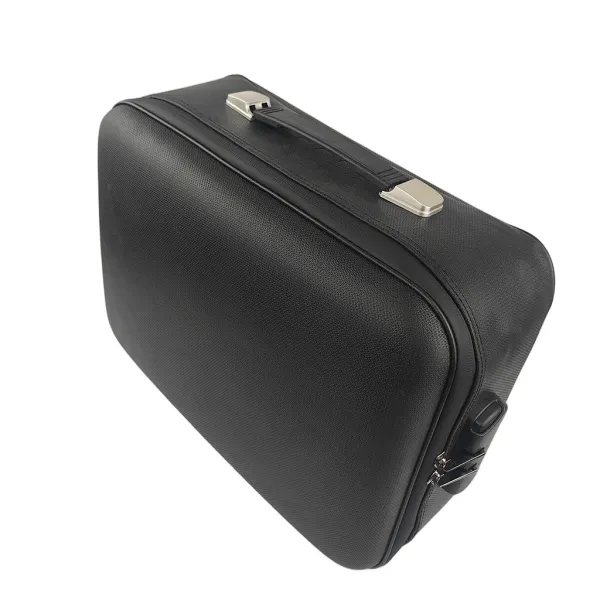
Fire-Resistant Document Organizer Case
Passports and papers, fire-resistant
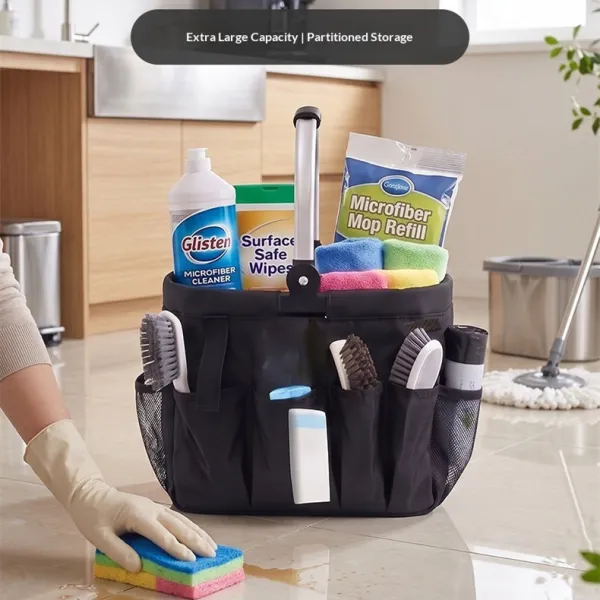
Foldable Storage Box with Handle
Grab-handle box, folds flat after
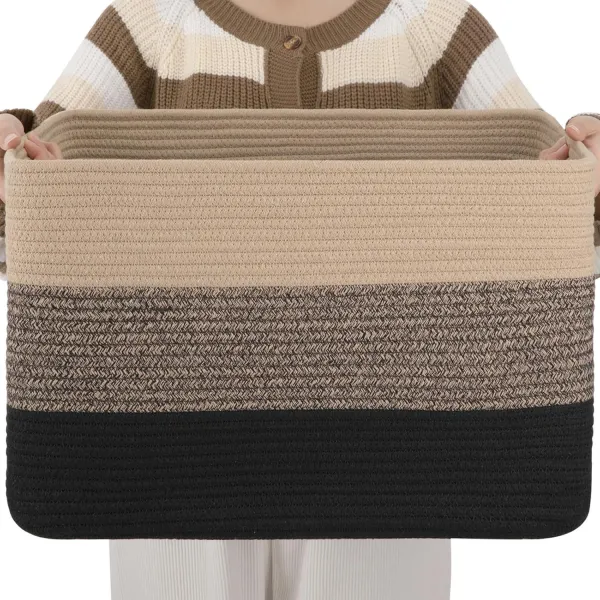
Cotton Rope Laundry Basket
The laundry basket that can stay visible
FAQ
How do I find out if a toy has been recalled in the EU?
Search the Safety Gate portal, the EU's public database of dangerous-product alerts: filter on toys or search the brand or model, and check the model or batch number against the toy or its box. The system validated 4,671 alerts in 2025, with summaries available in 28 languages — worth a search for second-hand toys and hand-me-downs especially.
What changed for toy safety in 2026?
The new Toy Safety Regulation (EU) 2025/2509 entered into force on 1 January 2026. It introduces a digital product passport per toy, bans hormone-disrupting chemicals and the deliberate use of PFAS, tightens bisphenol rules and puts visibility duties on online marketplaces. The requirements generally apply from 1 August 2030; until then, toys compliant with the 2009 directive may still be sold.
What am I entitled to when a toy my child owns is recalled?
Under Article 37 of the General Product Safety Regulation, the responsible company must offer a cost-free and timely remedy — as a rule a choice between at least two of: repair, replacement with a safe equivalent, or a refund of at least the price you paid. Return costs may not land on you. These are minimum rights in every EU country.
Sources
- European Commission — Safety Gate 2025 results (annual report of the Rapid Alert System)
- European Commission — EU testing of children's activity toys shows wide-ranging failures (25 June 2025)
- European Commission — Stronger toy safety rules enter into force (January 2026)
- EUR-Lex — Regulation (EU) 2025/2509 on the safety of toys
- European Commission — Safety Gate: the EU rapid alert system for dangerous non-food products