Europe's Move-In Month: 19 Million Students, 3 Million Missing Beds, and How to Furnish One Small Room

11 August 2026 · Seasonal
Most European higher-education systems start the academic year in September, 19.1 million students are heading for term, and Europe is short some 3 million student beds. What the numbers say about the move-in wave, and how to set up a small rented room so it works from week one.
Why September is Europe's move-in month
The timing is not a feeling; it is documented. The European Commission's Eurydice report on the organisation of the academic year finds that the majority of European higher-education systems — 20 of the 39 surveyed — begin the academic year in September, with another six starting in August and 13 in October. That concentration turns late summer into the continent's biggest synchronised moving wave, and the housing market moves with it: the European rental platform HousingAnywhere reported in June 2026 that of students booking in May, 44% were already securing housing for an August or September move-in. If your keys are dated 1 September, you are moving in the busiest month there is.
19.1 million students, 1.83 million of them from abroad
Eurostat counts 19.1 million tertiary-education students in the EU in 2024, most of them working toward a bachelor's degree. Within that total, 1.83 million came from abroad — from another EU country or beyond — to study. International movers arrive with what a suitcase and a baggage allowance permit, which is a useful discipline: the room is not furnished by what you shipped but by what you set up after arrival. That reverses the usual moving logic. Instead of finding space for possessions, you are choosing possessions for a space — usually a single room, known dimensions, zero storage margin.
Three million missing beds make rooms smaller
The squeeze is measured, too. Research by property consultancy JLL puts Europe's shortage of purpose-built student accommodation at 3 million beds, projected to worsen to 3.2 million within five years, while the student population is forecast to grow by 2.2 million to 21 million by 2029/30. In continental Europe, purpose-built accommodation covers only about 15% of students — less than half the UK's rate — so most students land in the general rental market: shared flats, converted rooms, compact studios. A room in that market does triple duty as bedroom, study and storage unit, which means the only direction with spare capacity is up the wall — ideally without drilling into it, since it is someone else's wall.
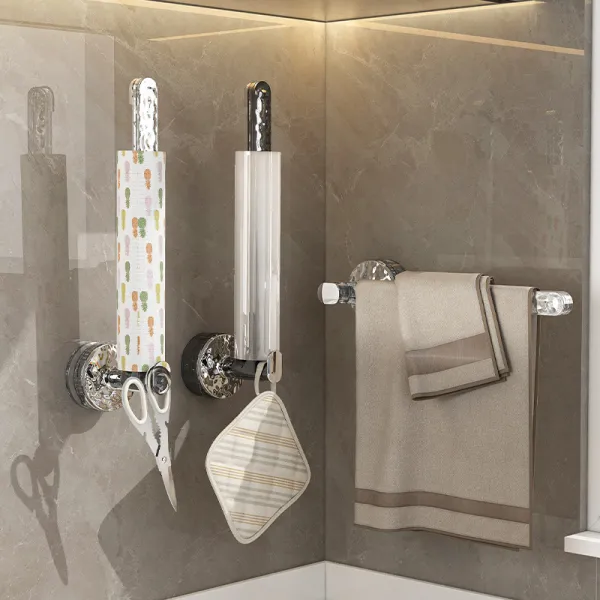
Adhesive Wall Shelf (No Drilling)
A shelf where drilling isn't allowed
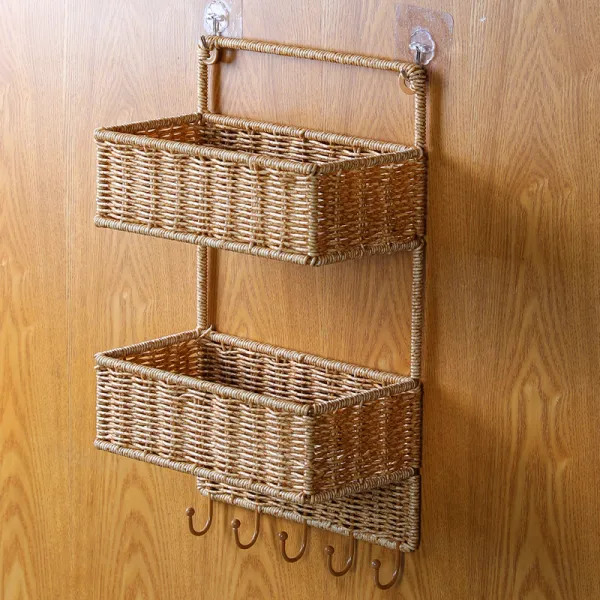
Hand-Woven Wall Basket with Hooks (2-Tier, No Drilling)
Woven storage that hangs, no drill
The other September movers: first homes at 26
Students are the visible wave, but Eurostat's leaving-home data widens the picture: young Europeans left the parental household at an average age of 26.2 years in 2024, ranging from 21.4 in Finland to 31.3 in Croatia. Every one of those departures is a first home furnished from zero, frequently in the smaller and cheaper end of the rental market — Eurostat also notes that 26.5% of Europeans aged 15 to 29 live in overcrowded dwellings. For a first flat, furniture that assembles without tools and moves out intact is not a convenience; it is the difference between furnishing on a weekend and owning an Allen-key drawer of regret.
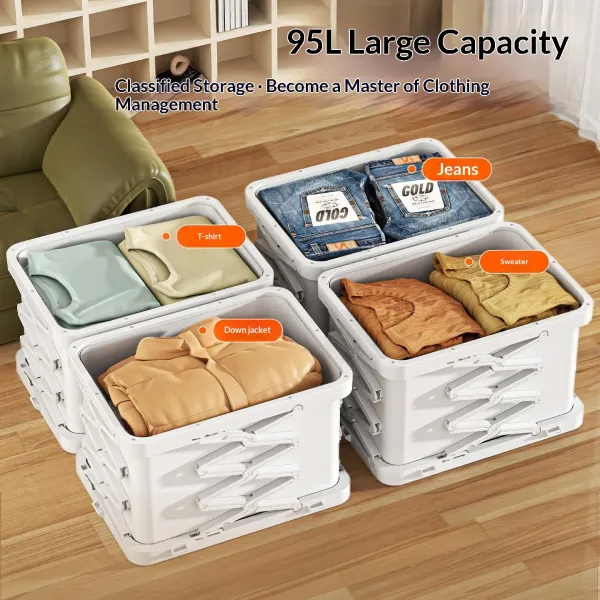
Foldable Storage Cabinet (No Tools)
A cabinet that assembles in minutes
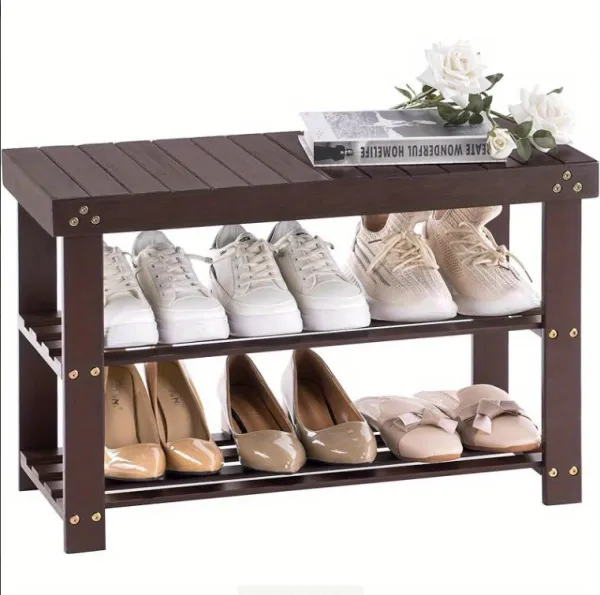
Bamboo Shoe Rack Bench (3-Tier)
Sit down, shoes below
The one-room storage kit
A small rented room rewards a short, deliberate kit over a car boot of maybes. Drawers do more work when they are subdivided, so one set of extendable organizer trays sorts everything from cutlery to chargers without a single fitted insert. Foldable boxes with handles do the moving first and the storing afterwards, then flatten when empty — the rare moving supply with a second career. And because rented walls veto drills, the bathroom and kitchen upgrades that matter are the no-drill kind: an adhesive towel rail beats a nail hole you will be billed for in June.
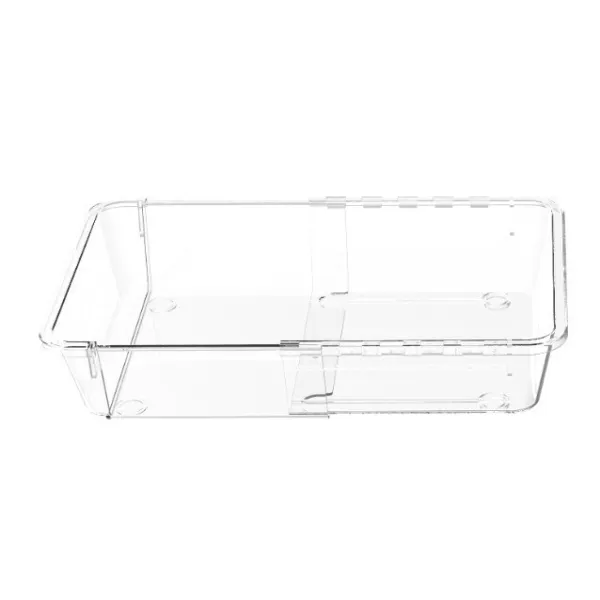
Extendable Drawer Organizer (14-Piece)
14 trays that fit any drawer
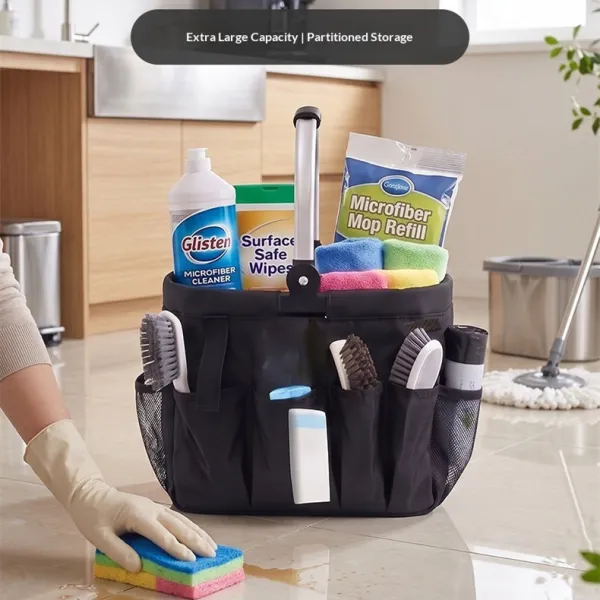
Foldable Storage Box with Handle
Grab-handle box, folds flat after
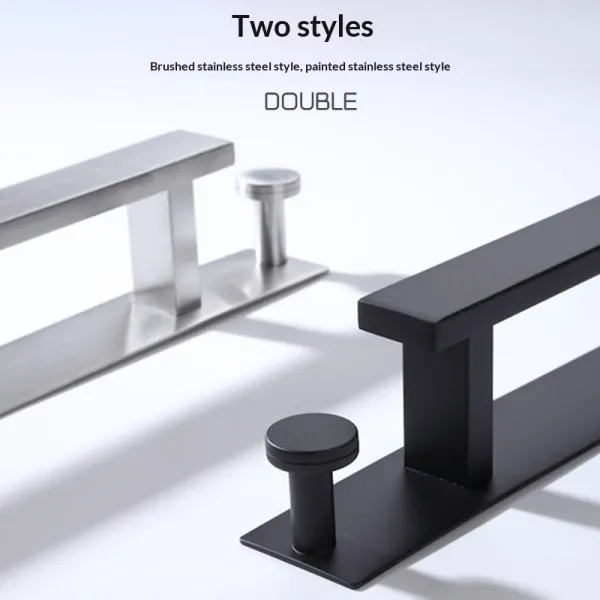
Stainless Steel Towel Rack (No Drilling)
Towel rail without wall damage
Unpack like you'll move again
Student tenancies are short by design, so the smartest setup assumes a reverse move within a year or two. Keep the categories that cause moving-day chaos in containers that travel: laundry in a basket that looks good enough to stand in the room, clothes drying on a rack that folds and rolls away — most student rooms do not come with a dryer — and the documents that prove you exist in one place. That last one deserves emphasis for the 1.83 million students who crossed a border: passport copies, tenancy contract, enrolment papers and diplomas belong together in a fire-resistant case, not distributed across three backpacks. Unpacking is finished when the room works, not when the boxes are empty.
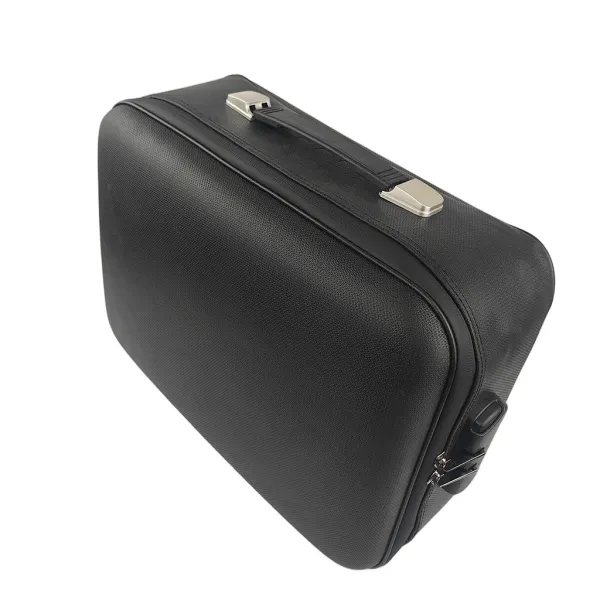
Fire-Resistant Document Organizer Case
Passports and papers, fire-resistant
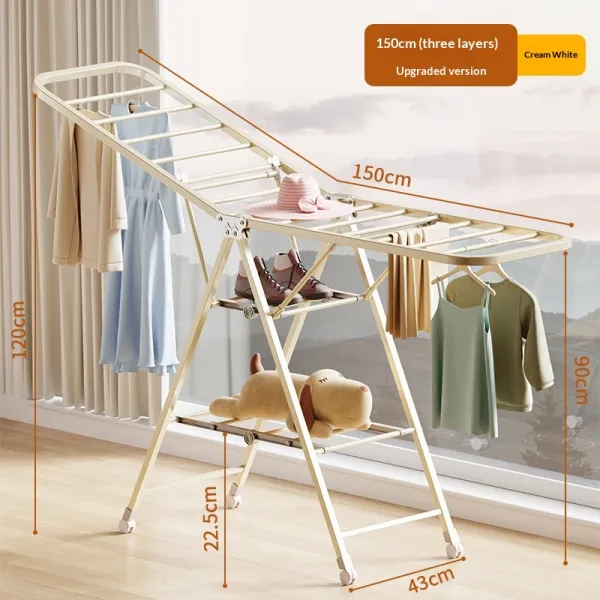
Foldable Rolling Clothes Drying Rack (3-Tier)
Three tiers of drying, rolls away
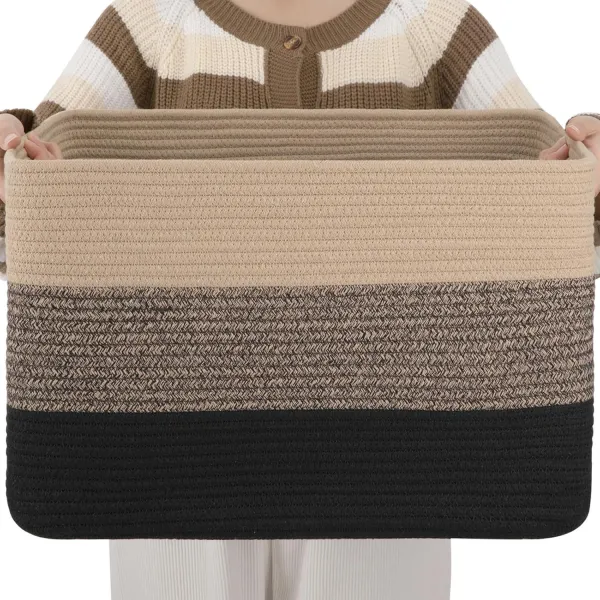
Cotton Rope Laundry Basket
The laundry basket that can stay visible
FAQ
When does the academic year start in Europe?
In most European higher-education systems, in September: the Eurydice report on the organisation of the academic year counts 20 of 39 surveyed systems starting in September, six in August and 13 in October. Move-in traffic therefore peaks in late August and September.
Why is student housing so hard to find in September?
Supply and timing. JLL estimates Europe is short about 3 million purpose-built student beds, and in continental Europe such accommodation covers only around 15% of students — so most compete in the general rental market, all in the same weeks. Demand also starts early: of students booking on HousingAnywhere in May 2026, 44% were already securing an August or September move-in.
What storage makes sense in a rented student room?
Deposit-safe storage: freestanding, adhesive or foldable pieces that assemble without tools and leave no holes. Prioritise the vertical space above desks and doors, subdivide the drawers you do have, and prefer containers that survive the next move — most student tenancies end within a year or two.
Sources
- Eurostat — Tertiary education statistics (Statistics Explained)
- Eurostat — Learning mobility statistics (Statistics Explained)
- Eurostat — When do young people in the EU leave home? (23 September 2025)
- Eurostat — Young people: housing conditions (Statistics Explained)
- European Commission / EACEA / Eurydice — The organisation of the academic year in Europe 2023/2024
- JLL — Europe's student housing shortage to reach 3.2 million over the next five years (June 2024)
- HousingAnywhere — Students searching for September housing are acting early (June 2026)