The EU's BPA Ban Is Now in Force: What It Means When Buying Food Storage Containers

30 July 2026 · Product safety
Since 20 July 2026, most food-contact products made with bisphenol A can no longer be newly placed on the EU market. What the ban covers, how to read container labels and resin codes, and what to do with the boxes you already own.
The quiet deadline: 20 July 2026
Commission Regulation (EU) 2024/3190, adopted in December 2024, bans the use of bisphenol A, better known as BPA, in materials that come into contact with food, from plastics and coatings to adhesives, printing inks, silicones and rubber. The regulation entered into force on 20 January 2025 with transition periods, and the main one has just run out: since 20 July 2026, single-use and reusable food-contact articles made with BPA may no longer be newly placed on the EU market. A small set of uses gets longer, until 20 January 2028, including coatings on cans for certain fruits, vegetables and fishery products and equipment used in professional food production. For shoppers the practical summary is short: from this summer, new food-contact products arriving on EU shelves are BPA-free by law.
Why the EU acted: a 20,000-fold cut in the tolerable dose
The ban follows a re-evaluation by the European Food Safety Authority, published in April 2023, which lowered the tolerable daily intake of BPA from 4 micrograms to 0.2 nanograms per kilogram of body weight per day, a threshold 20,000 times stricter than before. Comparing estimated dietary exposure against that new limit, EFSA concluded that BPA in food is a health concern for consumers in all age groups. The move was not the first: the EU banned BPA in infant feeding bottles in 2011 and tightened restrictions on food packaging for young children in 2018. The 2026 phase-out completes the arc, taking BPA out of food contact across the board rather than product by product.
Which plastics this is actually about
BPA is a building block of two material families: polycarbonate, the rigid clear plastic long used for reusable tableware and drink bottles, and epoxy resins, best known as the inner coating of food and drink cans, per the European Commission. It is not an ingredient of every plastic. Polypropylene and polyethylene, the polymers behind most everyday storage bins and lids, are made from different building blocks entirely. The resin code moulded into the base of a container tells you which family you are holding: polypropylene is code 5 and polyethylene 2 or 4, while polycarbonate has no number of its own and sits in code 7, the category marked other. That small triangle is the fastest BPA check available in a shop.
Reading a food container label before you buy
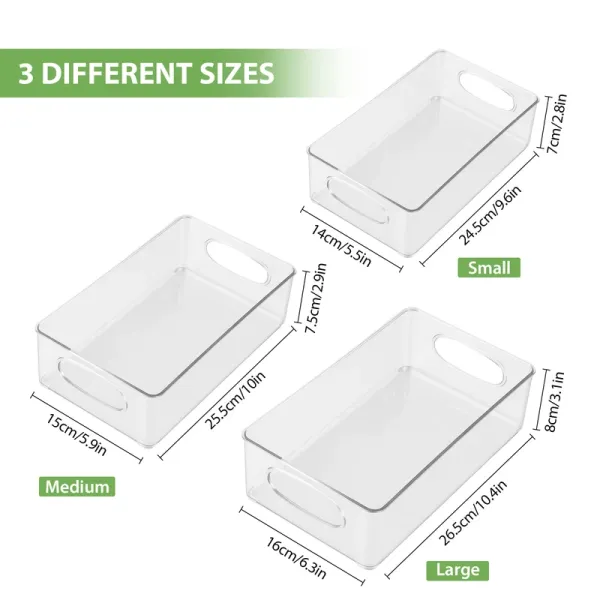
Under the EU's framework rules for food contact materials, Regulation (EC) 1935/2004, products intended to touch food must normally be labelled as such, either with the words for food contact or with the glass-and-fork symbol, unless the intended use is obvious. That mark, plus a resin code outside category 7, answers most of the BPA question for a container sold in the EU, and since 20 July 2026 newly placed products are covered by the ban itself. What remains worth checking is more mundane: whether the lid and seal carry the same food-contact marking as the box, whether the container is rated for fridge or freezer temperatures, and whether clear really means clear, because visibility is what makes a fridge bin earn its shelf. A BPA-free sticker on an EU shelf is no longer a premium claim; it is the legal baseline for new stock.
What to do with the containers you already own
The regulation binds manufacturers and importers, not households: nothing obliges anyone to clear out a cupboard, and stock legally placed on the market before the deadline may still be sold through. EFSA's assessment concerns lifetime dietary exposure, not an acute hazard, so the calm response is replacement over time rather than a purge; none of this is medical advice. A workable house rule: containers that keep a food job should carry the glass-and-fork mark and a known resin code, and anything unmarked or heavily worn gets demoted rather than binned. Old boxes still organize everything that is not food, from cleaning refills on an under-sink shelf to cables, chargers and bathroom stock, which is a better end for a solid box than the bin bag.
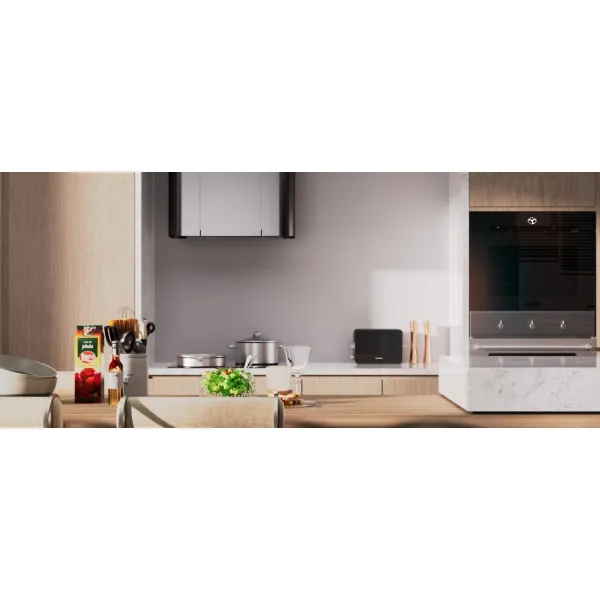
2-Tier Under-Sink Shelf with Hooks
Two tiers of order under the sink
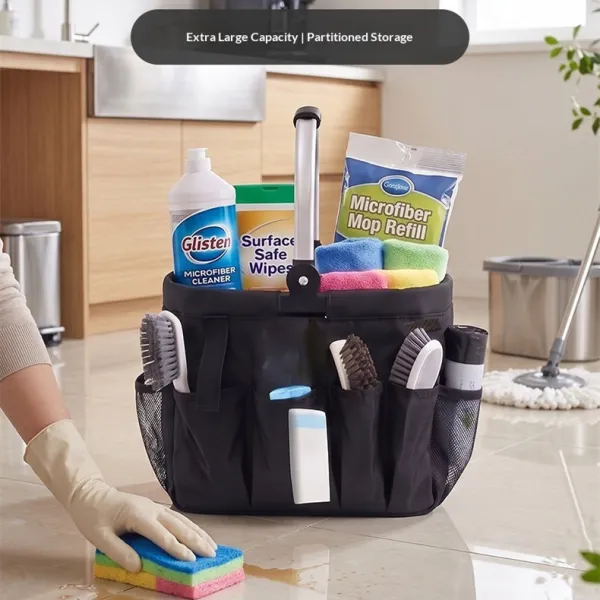
Foldable Storage Box with Handle
Grab-handle box, folds flat after
FAQ
Is BPA banned in the EU now?
In food contact materials, yes. Commission Regulation (EU) 2024/3190 entered into force on 20 January 2025, and after an 18-month transition most food-contact products made with BPA could no longer be newly placed on the EU market from 20 July 2026. A few uses, such as coatings on cans for certain fruits, vegetables and fishery products and professional food-production equipment, have until 20 January 2028.
How can I tell whether a plastic container is made with BPA?
Check the resin code on the base. Polycarbonate, the clear rigid plastic made with BPA, has no number of its own and falls under code 7 (other), while polypropylene (5), PET (1) and polyethylene (2 and 4) are made from different building blocks. New food-contact products placed on the EU market since 20 July 2026 fall under the BPA ban itself.
Do I have to throw away my old food storage containers?
No. The regulation targets what manufacturers may place on the market, not what households already own, and EFSA's concern is lifetime dietary exposure rather than an acute risk. A calm approach: reserve food jobs for containers with the glass-and-fork mark and a clear resin code, and give unmarked or worn boxes a non-food role such as cleaning supplies or cables. This is general information, not medical advice.
Sources
- EUR-Lex — Commission Regulation (EU) 2024/3190 on the use of bisphenol A in food contact materials
- EFSA — Bisphenol A in food is a health risk (news, April 2023)
- European Commission — Commission proposal banning BPA in food contact materials is becoming law (Health and Food Safety newsroom)
- European Commission — Food contact materials: EU legislation (Regulation (EC) 1935/2004)