Where Should Decluttered Clothes Go? The EU's New Textile Rules, Explained Simply

20 July 2026 · Regulation
Since January 2025 every EU country must collect textiles separately, and since October 2025 producers help pay for it. What that means for the bin bag of clothes your closet clear-out produces, and how to sort the keep pile properly.
Since 2025, clothes no longer belong in the grey bin
Under the EU Waste Framework Directive, member states have been required to collect textiles separately since 1 January 2025. In practice that means your municipality now provides textile containers, collection points or pick-up rounds for clothes, shoes and household fabric, and the old habit of dropping a bag of worn-out clothes into residual waste is exactly what the rules are designed to end. Textiles that end up in the grey bin are burned or landfilled; separately collected textiles get sorted for reuse and recycling instead. So the first practical rule of any closet clear-out is: nothing textile goes in the ordinary bin anymore.
October 2025: producers start paying for the system
The second change arrived on 16 October 2025, when a targeted revision of the Waste Framework Directive entered into force. It introduces extended producer responsibility (EPR) for textiles in every EU member state: clothing and footwear producers will pay a fee for each product they place on the market, and those fees finance the collection, sorting, reuse and recycling of what we all discard. Member states have until 17 June 2027 to write the revision into national law and until 17 April 2028 to have their EPR schemes running. For households the system stays simple, but behind the containers a funded industry for reuse and recycling is being built.
The clear-out flow: wear it, sell it, give it, bin it right
A decluttering session becomes much faster with a fixed sorting order. First the honest question per item: worn in the last year? If yes, it stays. If no: good enough to sell or pass on goes to resale apps, second-hand shops or friends; wearable but not worth selling goes to charity or clothing banks; genuinely worn out, torn or stained goes to the textile container anyway, because modern sorting handles recycling-grade textiles too, which many people do not realise. That last point matters: the European Environment Agency notes that most used textiles in Europe still disappear into mixed waste, precisely because people think damaged clothes have no destination.
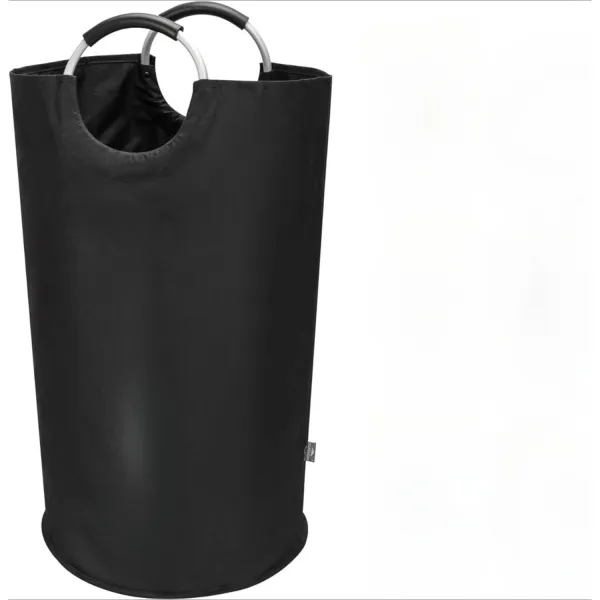
Foldable Laundry Basket (90 L)
90 litres, folds to nothing
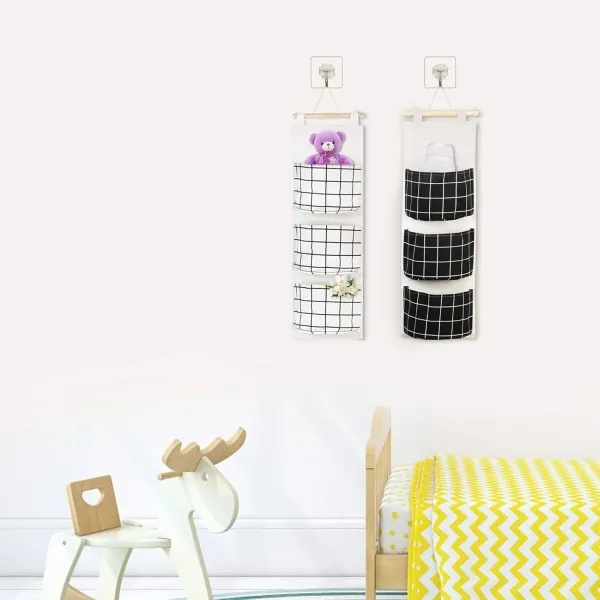
Hanging Storage Bags (2-Pack)
Flat storage on the back of doors
And the keep pile: store it so the clear-out lasts
Every clear-out fails at the same point: the keep pile goes back on the shelf in a heap, and three months later the closet looks exactly as before. The fix is boring and effective. Off-season clothes go into labelled underbed bags or storage boxes, so the closet only holds the current season. Drawers get dividers so categories stay visibly separate, which is what actually stops the re-piling. A hamper or foldable basket by the closet catches the next round of outgoing clothes, so donating becomes a habit instead of an annual crisis.
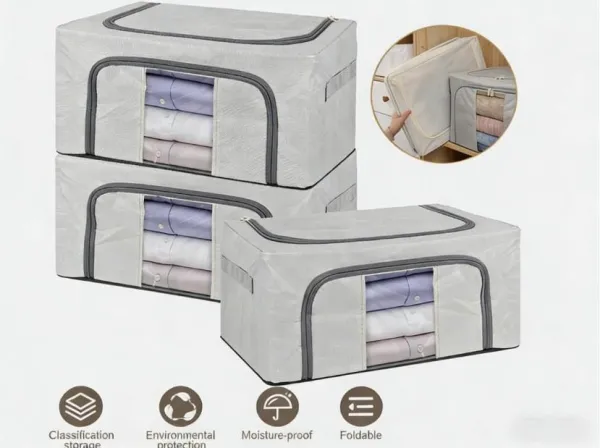
Under-Bed Clothes Storage Bags (3-Pack)
The off-season closet under your bed
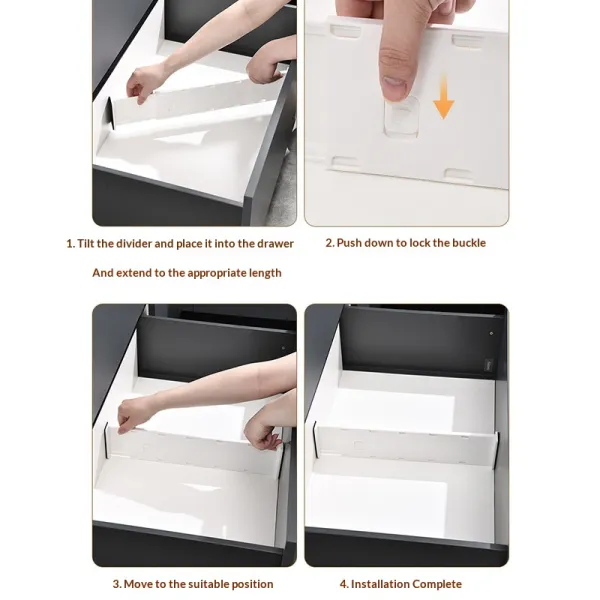
Wardrobe Drawer Dividers (Long)
Long dividers, sorted drawers
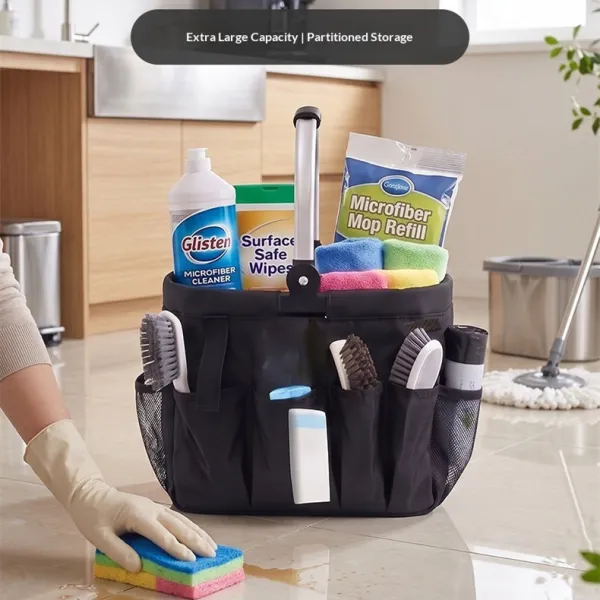
Foldable Storage Box with Handle
Grab-handle box, folds flat after
FAQ
Can damaged or stained clothes go in the textile container?
Yes, in most municipalities clean but worn-out textiles are welcome, because sorting separates reusable items from recycling-grade material. Wet or mouldy textiles are the exception; check your local rules for those.
What changed in October 2025?
A revision of the EU Waste Framework Directive entered into force introducing extended producer responsibility for textiles: producers pay fees that finance collection, reuse and recycling. Member states must transpose it by 17 June 2027 and have EPR schemes running by 17 April 2028.
Does separate collection mean my clothes get recycled?
Collected textiles are sorted: wearable items are resold or exported for reuse, and the rest goes to recycling where capacity exists. The EPR fees introduced in 2025 are meant to expand that capacity over the coming years.
Sources
- European Commission — Revised Waste Framework Directive enters into force (October 2025)
- European Parliament — Textiles and food waste reduction: new EU rules to support circular economy
- European Environment Agency — Management of used and waste textiles in Europe's circular economy